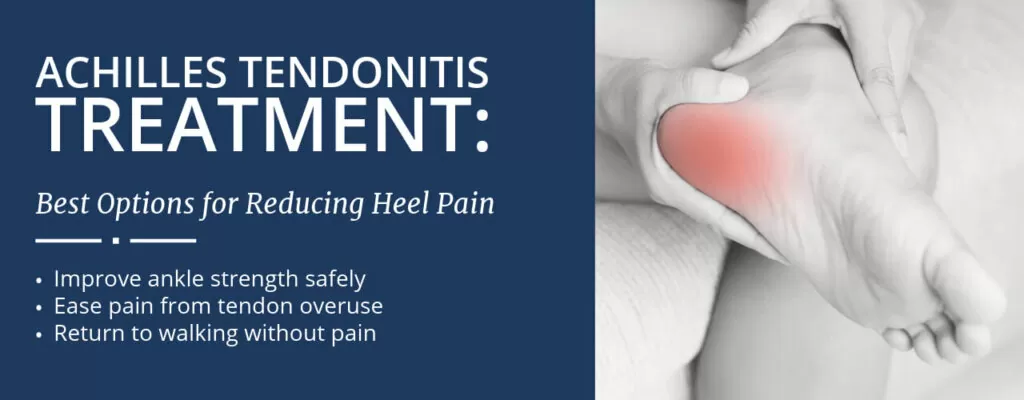
Heel pain and stiffness can turn even the shortest walk into a painful challenge. While it can have various causes, tendonitis in the Achilles tendon is one of the more common; in fact, many active adults and athletes experience Achilles tendonitis at some point. Fortunately, Delmarva Physical Therapy offers an effective approach to Achilles tendonitis treatment.
What Is Achilles Tendonitis?
Achilles tendonitis is inflammation or irritation of the Achilles tendon, the strong band of tissue that connects your calf muscles to your heel bone and helps you walk, run, jump, and climb stairs. Overuse or repetitive stress often leads to microtears in the tendon, resulting in pain and limited mobility.
It’s important to treat Achilles tendonitis early. Without proper care, the condition can worsen and lead to more serious injuries, such as tendon tears or chronic tendon degeneration.
Common Causes
- Sudden increase in physical activity (especially running or jumping)
- Tight calf muscles or limited ankle mobility
- Improper footwear that doesn’t support your heel or arch
- Flat feet or high arches
- Repetitive strain without proper recovery time
Symptoms To Watch Out For
- A dull ache or sharp pain at the back of your heel
- Stiffness in the morning or after periods of rest
- Swelling or thickening along the tendon
- Pain that worsens with activity
- A “creaking” feeling when moving the ankle
A Step-by-Step Guide To Achilles Tendonitis Treatment with Physical Therapy
Physical therapy offers one of the most effective ways to manage Achilles tendonitis. Here’s what you can expect:
Step One: A Comprehensive Assessment
The first step in any Achilles tendonitis treatment plan is a personalized evaluation to identify any weaknesses, mobility issues, or movement patterns contributing to your injury. This information helps us select the right treatment techniques for your needs.
Step Two: Acute Pain Relief
We can help you manage acute heel pain using various noninvasive techniques. For example, manual therapy gently mobilizes your soft tissue to release tension and improve mobility, whereas cold or heat therapy can help with swelling or stiffness.
Step Three: Stretching Exercises
Tight calf muscles are a major contributor to tendon strain. Your therapist will teach you safe and effective stretches to combat this restriction, such as wall calf stretches or seated towel stretches.
Step Four: Strengthening Exercises
Building strength in the calf and foot reduces strain on the Achilles tendon, helping to support healing and prevent recurrence. Common strengthening exercises include eccentric heel raises, resistance band foot presses, and toe curls.
Step Five: Gait and Posture Training
Sometimes, small changes in walking or standing can make a big difference. We can assess your gait, identify problematic patterns, and help you correct them. In some cases, we might also recommend orthotics or supportive footwear.
Step Six: Gradual Return to Activity
Rest is essential, but so is smart movement. We’ll guide you through a gradual return to exercise with modifications to avoid re-injury. You’ll learn how to safely load the tendon without overstraining it.
Don’t Let Heel Pain Slow You Down
Achilles tendonitis doesn’t have to keep you on the sidelines. With knowledgeable care and a clear plan, you can regain strength, mobility, and overall ankle function. Physical therapy remains one of the most reliable and research-supported approaches to Achilles tendonitis treatment, helping people feel better and move better every day.
If you’re ready to reduce heel pain and get back to doing what you love, contact Delmarva Physical Therapy today. Our experienced team will develop a personalized treatment plan tailored to your goals and lifestyle. Schedule your appointment now and take the first step toward lasting relief.
Tags: Injury Recovery, tendon care, ankle mobility, heel pain relief